Masonry Contractor & Tuckpointing in St Paul, MN

Timeless craftsmanship, modern techniques

Masonry and Tuckpointing Services

Our Guarantee To You

At Capital Masonry Restoration we provide high-quality masonry restoration services. Our experienced team of dedicated craftsmen deliver superior results in a professional and safe work environment.  We use commercial-grade products to ensure long-lasting results and perform all tasks at or above industry standards.

View All Services
  • 40 Years of Expertise

    Capital Masonry Restoration was founded by Dave and Joe Smith-Cunnien, brothers with a passion for historic preservation. Years in the masonry field eventually led them to the craft of masonry restoration, where they have a combined experience of over 40 years.

  • Timeless Craftsmanship

    Masonry is an ancient craft. Throughout the ages masons have built most of the world’s awe-inspiring structures. These stonecutters and bricklayers were artisans who passed their knowledge down through generations. We at Capital Masonry Restoration have adopted this artisan mindset. Whatever the project’s size or historical significance, we deliver a product that honors the generations of masons before us.   That’s Timeless Craftsmanship.

  • Modern Technique

    Every year new methods and products in masonry are introduced by some of the world’s leading engineers and architects. These methods and products have revolutionized the way masonry is restored. From breathable waterproofing compounds and flashing systems that keep masonry dry, to spectral analysis of mortar that can accurately match existing materials, we offer these services and many more. That’s Modern Technique.

Services

Capital Masonry Restoration provides a wide array of masonry restoration services including, tuckpointing, We use high-quality materials and perform sound restoration practices. If your building or residence is showing signs of trouble, or you want to revive its original beauty, our team can help you find the right solution.

See all Services

Capital Masonry Restoration Blog

March 11, 2026
If you’ve received a quote for tuckpointing, chimney repair, or brick restoration, your first reaction may have been: “Why does this cost so much?” It’s a fair question. Masonry restoration is not something most homeowners budget for regularly. And unlike roofing or siding, it’s less understood — even though it plays a critical role in protecting your home or building from structural damage and water intrusion. Here’s what actually goes into masonry restoration — and why it carries the investment it does. 1. Masonry Work Is Highly Skilled, Specialized Labor Masonry restoration is not general construction. Proper tuckpointing , chimney repair , brick replacement , and stone restoration require: Matching mortar composition and color Removing deteriorated mortar without damaging surrounding brick Understanding historic mortar vs. modern mortar Structural evaluation knowledge Proper curing techniques In Minnesota’s freeze-thaw climate , improper mortar selection can cause brick failure within a few seasons. You’re not just paying for labor. You’re paying for precision and experience. 2. It’s Extremely Labor-Intensive Unlike installing a new product, restoration means: Grinding out old mortar skillfully with specialized tools Cleaning joints thoroughly Carefully applying new mortar Replacing damaged brick one at a time Working in tight or elevated spaces There is no “shortcut” version of quality masonry work. The majority of the cost is skilled labor time. At Capital Masonry Restoration we use the highest quality materials, and truly embrace our motto: “Timeless craftsmanship. Modern technique.” 3. Access & Safety Requirements Add Complexity Many masonry projects require: Scaffolding Lift rentals Roof access coordination Fall protection systems Sidewalk and property protection Debris containment Especially in urban areas like St. Paul and Minneapolis, access logistics can significantly impact project cost. Safety compliance isn’t optional — it’s essential. At Capital Masonry Restoration, safety is of the utmost importance. Employees, pedestrians, and any on-site personnel like homeowners or business employees, must be protected during the construction process. This requires the proper training and equipment to make sure everyone stays safe throughout the project. 4. Minnesota Weather Impacts Timeline & Process In the Twin Cities, freeze-thaw cycles are relentless. Masonry repairs must be completed under proper temperature conditions to ensure: Proper curing Long-term durability Structural integrity Weather windows are limited. Skilled crews must plan carefully and sometimes compress timelines during optimal conditions. That seasonal demand affects pricing and scheduling. 5. It Protects Structural Integrity — Not Just Appearance Many homeowners think masonry work is cosmetic. It’s not. Failing mortar joints can lead to: Water intrusion Interior wall damage Chimney leaks Brick spalling Structural shifting Foundation deterioration Masonry restoration is preventative structural protection. Interior building elements like stud walls, Sheetrock, and windows can be damaged if the exterior masonry is not properly maintained. The cost of delaying repairs is often far higher than addressing them properly the first time. 6. Quality Work Lasts Decades When done correctly, tuckpointing and masonry restoration can last 20–30+ years. When done poorly, it can fail in 3–5 years. A lower bid often means: Inadequate mortar removal Improper mortar mix Rushed application, sloppy work Surface-only patching Long-term performance depends on doing it right. Why Transparency Matters At Capital Masonry Restoration, we understand that masonry pricing can feel surprising. That’s why we walk clients through: Detailed scope of work Access requirements Material selection Timeline expectations Our goal isn’t to push a sale. It’s to ensure you understand what you’re investing in — and why. Masonry restoration isn’t frequent. But when it’s needed, it matters. The Bottom Line Masonry restoration is expensive because: It requires skilled craftsmanship It is labor-intensive It involves complex access and safety planning It protects structural integrity It must withstand Minnesota’s climate When done correctly, it protects your property for decades. Need an Honest Assessment? If you’re unsure whether your masonry requires immediate repair or can wait, schedule an evaluation with Capital Masonry Restoration . Understanding the process is the first step toward protecting your home or building the right way.
January 5, 2026
m any homeowners and property managers across St. Paul and the greater Twin Cities start planning exterior repairs and upgrades. From tuckpointing aging brick to restoring chimneys and stone façades, masonry projects are one of the most impactful investments you can make in your property. Choosing the right masonry contractor ensures your project is built to last, performs in Minnesota’s climate, and protects your home or building for years to come. Whether you’re planning proactive maintenance or addressing visible damage, here are a few key factors that can help guide your decision. Work With a Local Contractor Who Understands Minnesota’s Climate Masonry in Minnesota faces unique challenges. Freeze-thaw cycles, snow, moisture intrusion, and temperature swings put significant stress on brick, mortar, stone, and concrete. Hiring a local masonry contractor who works year-round in the Twin Cities ensures your repairs are designed specifically for our climate. An experienced local contractor understands: How winter expansion and spring thaw affect mortar joints Which materials perform best in cold-weather environments Proper seasonal timing for tuckpointing and restoration Local permitting and building requirements This local knowledge leads to longer-lasting repairs and better overall performance. Choose a Contractor With Proven Experience and a Strong Reputation Reputable masonry contractors build their reputation on consistent craftsmanship and long-term client relationships. When researching masonry companies in St. Paul and Minneapolis, it’s helpful to look for: A history of residential and commercial masonry projects Before-and-after project examples A strong reputation within the community Positive homeowner and property manager feedback Established contractors take pride in their work and value long-term relationships over one-time projects. Make Sure They Offer the Services Your Property Needs Every masonry project is different, and choosing a contractor that offers comprehensive services allows for better long-term planning and consistency. Common Twin Cities masonry services include: Tuckpointing and mortar repair Chimney repair and rebuilding Brick and stone restoration Foundation repair Flashing and waterproofing Structural masonry repair Working with one trusted contractor for multiple masonry needs often results in smoother scheduling, clearer communication, and consistent craftsmanship. Expect a Clear and Professional Inspection Process A successful masonry project starts with a proper inspection. A professional contractor should evaluate: The condition of brick, stone, and mortar Signs of moisture damage Chimney structure and safety Areas of movement or cracking They should also explain what they see, why repairs are being recommended, and how those solutions support the long-term health of your structure. Education and transparency help property owners make confident decisions. Look for Clear, Written Estimates and Timelines Professional masonry contractors provide written estimates that clearly outline: The full scope of work Materials being used Expected project timeline Site protection and cleanup Total investment and payment structure Clear estimates help both the homeowner and contractor stay aligned throughout the project. Value Craftsmanship and Long-Term Performance Masonry is a skilled trade that requires experience, precision, and quality materials. While pricing is always a consideration, long-term performance matters most. Quality masonry repairs improve: Structural integrity Moisture protection Energy efficiency Property value Future maintenance costs Well-executed masonry work protects your investment for decades to come. Strong Communication Makes a Big Difference From the first phone call through project completion, communication plays an important role in the overall experience. The best masonry contractors in the Twin Cities are known for: Being responsive and professional Clearly explaining schedules and timelines Providing proactive project updates Being accessible for questions Consistent communication helps ensure a smooth, stress-free project from start to finish. Why Early-Year Planning Matters for Masonry Projects Winter often reveals hidden masonry issues—cracked mortar, interior leaks, chimney deterioration, and foundation movement can become more noticeable during cold months. Planning early in the year allows you to: Secure preferred spring and summer scheduling Avoid emergency masonry repairs Ensure proper material availability Address issues before they worsen Proactive masonry maintenance often saves money and prevents more extensive structural damage down the road. Why Homeowners Across the Twin Cities Trust Capital Masonry Restoration At Capital Masonry Restoration, we proudly serve homeowners and commercial property owners throughout St. Paul, Minneapolis, and the surrounding metro area. Our focus is on durable, high-quality masonry solutions built for Minnesota weather. Our team specializes in: Brick and stone restoration Chimney repair and rebuilding Tuckpointing and mortar repair Structural masonry solutions Preventive masonry maintenance We combine expert craftsmanship, honest evaluations, and clear communication to help our clients protect and enhance their properties with confidence. Start the New Year With Stronger Masonry Whether your property requires routine tuckpointing, chimney restoration, or full masonry repair, choosing the right contractor sets the foundation for everything that follows. When experience, communication, and craftsmanship come together, the result is masonry that performs beautifully for years to come. If you’re planning masonry repairs in St. Paul or the Twin Cities this year, now is the ideal time to schedule a professional inspection and start your project with confidence.

December 8, 2025
But when it comes to brick and stone, even well-intentioned projects can cause long-term damage. Masonry is durable and beautiful, yet it requires specialized knowledge to maintain its strength and character. At Capital Masonry Restoration, we often see the same few mistake s pop up during home remodels that could have been avoided with a quick consultation before work began. Here are the top issues we encounter (and how to avoid them). 1. Painting Over Brick or Stone Without Proper Prep or Materials Painted brick can look sharp and modern, but improper prep is one of the biggest ways homeowners unintentionally trap moisture. Masonry is porous — it needs to breathe. When you seal or paint it without using the right breathable materials, water vapor gets trapped inside, leading to flaking paint, spalling brick, and efflorescence (that white, powdery residue). If you want a clean, uniform look, it’s critical to use mineral-based masonry paint or limewash designed for brick and stone, not standard house paint. Always start with a clean, dry surface and consider consulting a professional before coating historic brick. 2. Using the Wrong Mortar Mix Mortar is more than “glue” — it’s the cushion that allows masonry to expand and contract with temperature and moisture changes. Using the wrong mix can cause bricks to crack or crumble. Modern cement-heavy mortars are harder than traditional lime-based versions used in older homes around St. Paul and Minneapolis. When you patch historic masonry with a newer mix, the mortar becomes less flexible than the original brick — causing the bricks themselves to deteriorate first. Type N mortar is a softer mortar used for tuckpointing on most homes or buildings, as opposed to Type S mortar which is harder and used typically for block and structural applications. A professional mason can test and match the composition of existing mortar, ensuring that repairs preserve the structure instead of damaging it. 3. Covering Masonry That Needs to Breathe Another common renovation mistake is covering masonry with impermeable materials such as dense stucco, siding, or faux stone panels. These block the brick’s ability to wick out moisture. Once sealed in, trapped moisture seeks the path of least resistance — often through joints or the interior of the home. The result? Efflorescence, mold, and internal wall damage. When done correctly, breathable coatings and compatible mortar allow your masonry to naturally manage moisture while maintaining energy efficiency and durability. 4. Ignoring Chimneys and Foundations During Remodels During a renovation, most of the attention goes to visible areas — kitchens, exteriors, patios — but chimneys and foundation walls are just as crucial. These vertical structures experience the most exposure to water and temperature swings. Cracked mortar, missing chimney caps, or deteriorating parging can allow moisture inside and compromise the stability of the entire wall. Inspecting and repairing these areas during a remodel saves costly work later — and protects your new finishes from water damage. 5. Skipping a Masonry Inspection Before the Project Begins Even if your renovation doesn’t directly touch a brick wall, vibration from demolition or new construction can cause older mortar to crack. A pre-renovation masonry inspection helps spot weak points before they become problems. A quick tuckpointing touch-up or waterproofing treatment before construction can extend the life of your masonry by decades — and safeguard your new investment. Protecting Your Investment Masonry gives Minnesota homes their warmth, texture, and history. The best way to preserve that value is to bring a mason into the process early. A short consultation can prevent hidden moisture issues, color mismatches, or structural cracks that show up months after the remodel is done. If you’re planning a renovation in the Twin Cities, contact Capital Masonry Restoration for a quick inspection before work begins — your future self (and your brick) will thank you.
December 1, 2025
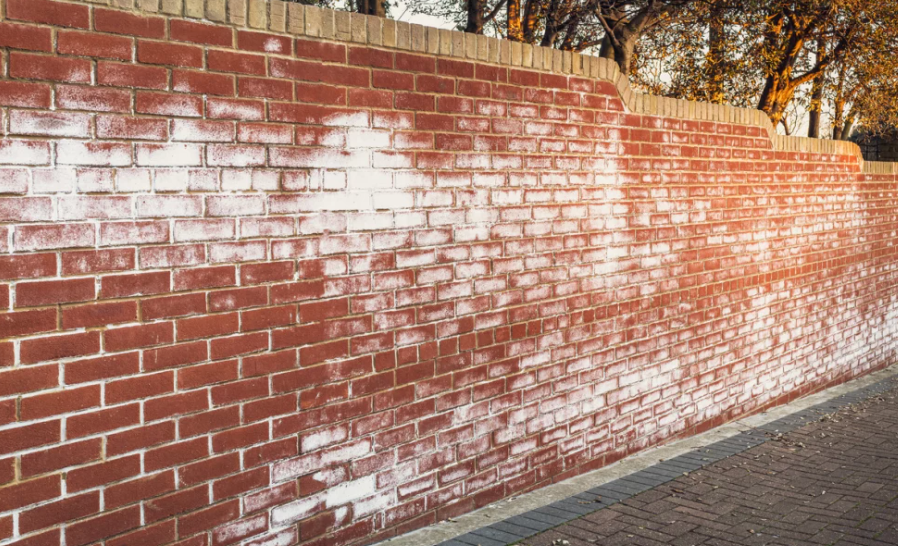
a thin, chalky white film on your brick, stone, or block. Many homeowners assume it’s mold or paint residue, but it’s actually something called efflorescence — and it’s one of the most common masonry issues in Minnesota. The good news? It’s usually harmless and easy to clean. But it can also point to hidden moisture problems worth catching early. What Is Efflorescence? Efflorescence is a deposit of salts left behind when water moves through masonry. As water travels through brick, mortar, or concrete, it dissolves natural salts within the materials. When the water evaporates at the surface, those salts crystallize — leaving the white, powdery residue we see. It’s most noticeable on darker brick and after periods of rain, snowmelt, or humidity changes. Why It Happens Efflorescence needs three things to occur: Water-soluble salts in the brick or mortar. Moisture to dissolve and transport those salts. Evaporation at the surface, which leaves the salt behind. Minnesota’s climate provides all three in abundance — porous materials, fluctuating humidity, and long wet seasons. Efflorescence often appears on north-facing walls, chimneys, or shaded areas that stay damp longer. Is It Harmful? Usually not. Efflorescence is mainly a cosmetic issue — it can be brushed or washed away with water once the wall is dry. However, if the residue keeps coming back, it could indicate that moisture is continuously moving through your masonry. Persistent efflorescence suggests leaks, poor drainage, or missing flashing that allows water to enter the structure repeatedly. Over time, that moisture can weaken mortar and lead to structural deterioration. How to Clean and Prevent It Cleaning: Wait for dry weather so the salts don’t re-dissolve. Use a stiff brush or a mild vinegar-and-water solution for stubborn areas. Avoid pressure washing — it can drive water deeper into the brick. Prevention: Check that gutters and downspouts are directing water away from walls. Repoint any deteriorated mortar joints to block water entry. Seal brick with a breathable water repellent (not a non-permeable sealer). Inspect horizontal surfaces like chimney caps or sills for cracks. When to Call a Professional If the same white residue reappears within weeks or spreads to interior walls, you may have an active moisture problem behind the surface. A professional mason can identify the source — often something simple like missing flashing or poor drainage — and stop it for good. The Bottom Line Efflorescence may look concerning, but it’s your masonry’s way of telling you that water is moving through the wall. Catching it early helps prevent deeper moisture issues down the line. If you’ve noticed recurring white staining on your brick or stone, Capital Masonry Restoration can assess the cause and recommend lasting solutions.
November 19, 2025
If you’ve lived in Minnesota for more than a few winters, you know how extreme the temperature swings can be. While that back-and-forth between freezing nights and mild days is tough on us, it’s even tougher on your masonry. The freeze–thaw cycle is one of the leading causes of brick and stone deterioration in our region — but many homeowners don’t realize the signs until small cracks turn into major repair needs. Here’s what’s happening behind the scenes and what to look out for. What the Freeze–Thaw Cycle Does to Masonry Brick, stone, and mortar all naturally absorb moisture. That’s fine — until the temperature drops below freezing. When the water trapped inside your masonry freezes, it expands by about 9%. That expansion pushes outward on the brick or stone, creating internal stress. As temperatures rise, the ice melts, only for new moisture to enter and repeat the cycle. Over time, this constant expansion and contraction weakens the outer layers of masonry. The result? Cracked joints, loose bricks, flaking faces, or “spalled” surfaces — the technical term for when the outer layer of brick breaks off. Common Signs of Freeze–Thaw Damage Cracks or chips along mortar joints or corners Loose bricks or stones that wobble when pressed White residue (efflorescence) indicating water movement Bulging or bowing walls, especially near chimneys Leaking or damp interior walls after snowmelt These symptoms often start small but escalate quickly after multiple winters.
September 25, 2025
As a Twin Cities homeowner, you know that Minnesota winters can be tough. Freeze-thaw cycles, snowfall, and ice can wreak havoc on masonry—think cracked bricks, crumbling mortar, and damp foundations. Taking action now can help you avoid costly repairs later. Here's your go-to checklist to get your home winter-ready. Why Fall Is the Perfect Time for Masonry Work Cooler—but not freezing—temperatures create ideal conditions for mortar and sealants to cure, making fall a prime time for repairs. Addressing issues now ensures your home is in good shape once winter settles in. The Pre-Winter Masonry Repair Checklist Inspect for Damage. Walk around your home and check: Cracks in brick, stone, and mortar—especially near foundations and around windows and doors. Damaged or missing chimney crown, deteriorating chimney cap, flashing, or leaning masonry. Repoint Crumbling Joints & Repair Bricks Repoint deteriorating mortar joints. Replace spalling or cracked bricks to restore structural integrity and create a water-tight facade. Seal and Waterproof Masonry Apply penetrating water repellents to vertical and horizontal surfaces to mitigate water intrusion. Make sure sealing is completed before the freeze-thaw cycle begins. Chimney Maintenance Repair cracks, crown, liner, flashing, and cap. Clean creosote and check chimney integrity to ensure safe use. Foundation/Others Seal any gaps where masonry meets siding or around utility penetrations. Confirm proper grading—soil should slope away from your foundation to prevent water intrusion. Avoid having organic materials directly against masonry foundations where possible. Soil traps water and can degrade masonry over time. Using crushed stone against masonry allows the water to flow away from the structure quickly and more effectively. Clean Gutters & Downspouts Remove debris to prevent ice dams, clear blockages, and ensure proper water drainage away from masonry surfaces. Install gutters and downspouts in areas where water is running down the masonry facade to help prevent weathering to these areas. Twin Cities Fall-to-Winter Roadmap Early Fall - Conduct a full masonry and chimney inspection; identify repairs needed. Mid Fall - Perform repairs: repointing, brick replacement, waterproofing, chimney work. Late Fall - Final check: ensure gutters, grading, and flashing are winter-ready. Winter Ready - Peace of mind knowing your home's masonry is equipped to withstand freezing temps. Why This Checklist Matters Implementing these steps now not only prevents freeze-thaw damage like cracking and spalling but also extends the lifespan of your masonry and saves you from emergency repairs come spring.
September 24, 2025
When you walk through neighborhoods in Minneapolis, St. Paul, or historic towns across Minnesota, you’ll notice beautiful brick buildings that have stood the test of time. But while brick itself is incredibly durable, the mortar joints holding those bricks together are more vulnerable to Minnesota’s harsh climate. This is where tuckpointing comes in—a process that not only restores the appearance of masonry but also protects the long-term stability of your structure. What Is Tuckpointing? Tuckpointing is the process of removing deteriorated mortar from the joints between bricks, stones, or blocks and replacing it with fresh mortar. Over time, mortar can crumble, crack, or wash away due to weather exposure, moisture, and freeze-thaw cycles. A skilled masonry contractor grinds or chisels out the damaged mortar, then carefully fills the joints with new mortar that matches the original in strength, texture, and color. The result is not only a stronger wall but also one that looks clean and refreshed. Why Tuckpointing Is Essential in Minnesota Minnesota’s climate creates unique challenges for masonry structures. The extreme temperature swings—from humid summers to frigid winters—put constant stress on mortar joints. Water seeps into tiny cracks, freezes, and expands, causing further damage year after year. If left untreated, deteriorating mortar can lead to: Water infiltration that damages interior walls, windows, and insulation. Loose or shifting bricks, compromising structural stability. Decreased energy efficiency, as gaps allow drafts and heat loss. Costly repairs, such as full wall replacements, if deterioration is ignored too long. Tuckpointing is a preventative measure that keeps these issues from escalating. By maintaining strong mortar joints, you extend the life of your building and protect your investment. Benefits Beyond Preservation Beyond the functional advantages, tuckpointing has aesthetic benefits. A well-done tuckpointing project restores the crisp, uniform lines of your masonry, instantly enhancing curb appeal. For historic homes and buildings across Minnesota, this can make a big difference in preserving original character while meeting modern durability standards. When Should You Consider Tuckpointing? Signs that your building may need tuckpointing include: Crumbling or powdery mortar Gaps between bricks and mortar Discoloration or staining from water damage Loose or cracked bricks In Minnesota, it’s a good idea to have your masonry inspected every few years, especially after harsh winters, to catch early signs of deterioration. Trust Capital Masonry Restoration At Capital Masonry Restoration, we specialize in protecting and restoring masonry throughout Minnesota. Our team understands the unique demands of the Midwest climate and uses proven techniques to ensure your brick or stone building stays strong for decades to come. We pride ourselves on our ability to match new mortar colors with existing mortar, as well as matching the different types of joint profiles historic buildings often present. Whether you own a historic home in St. Paul, a commercial property in Minneapolis, or a cabin up north, tuckpointing is one of the smartest ways to safeguard your investment. Ready to Preserve Your Building? If you’ve noticed signs of mortar deterioration or want peace of mind about the condition of your masonry, contact Capital Masonry Restoration for an inspection. Our tuckpointing services will keep your property strong, efficient, and beautiful for years to come. Call us today or request a consultation online at capmasonry.com.
August 8, 2025
especially in Minnesota’s extreme weather. Freeze-thaw cycles, moisture infiltration, and foundation movement can all leave behind warning signs. The key to protecting your home is knowing what to look for. Below are common masonry red flags that signal it's time to call a professional.