January 5, 2026
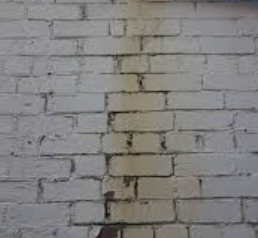
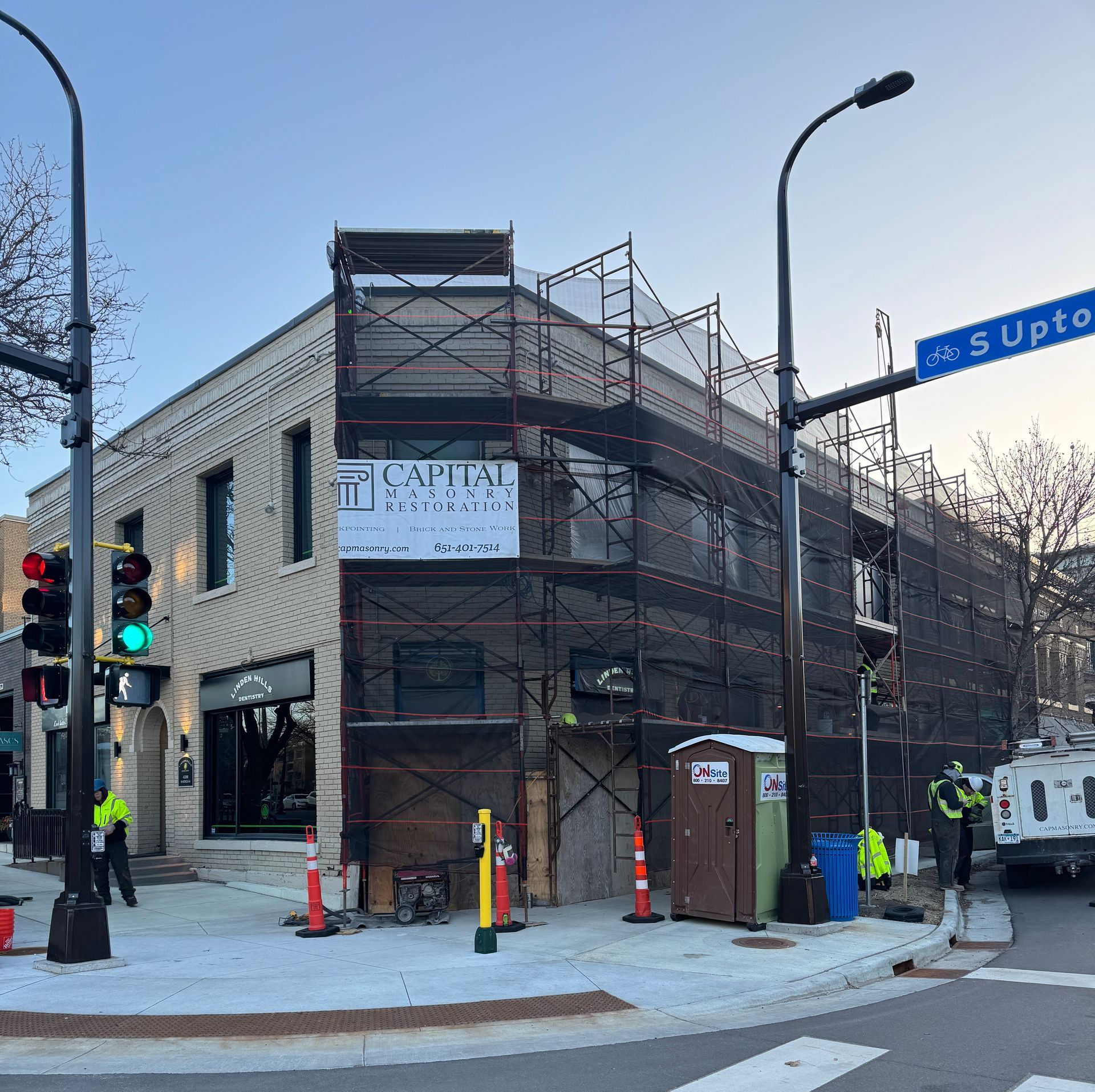
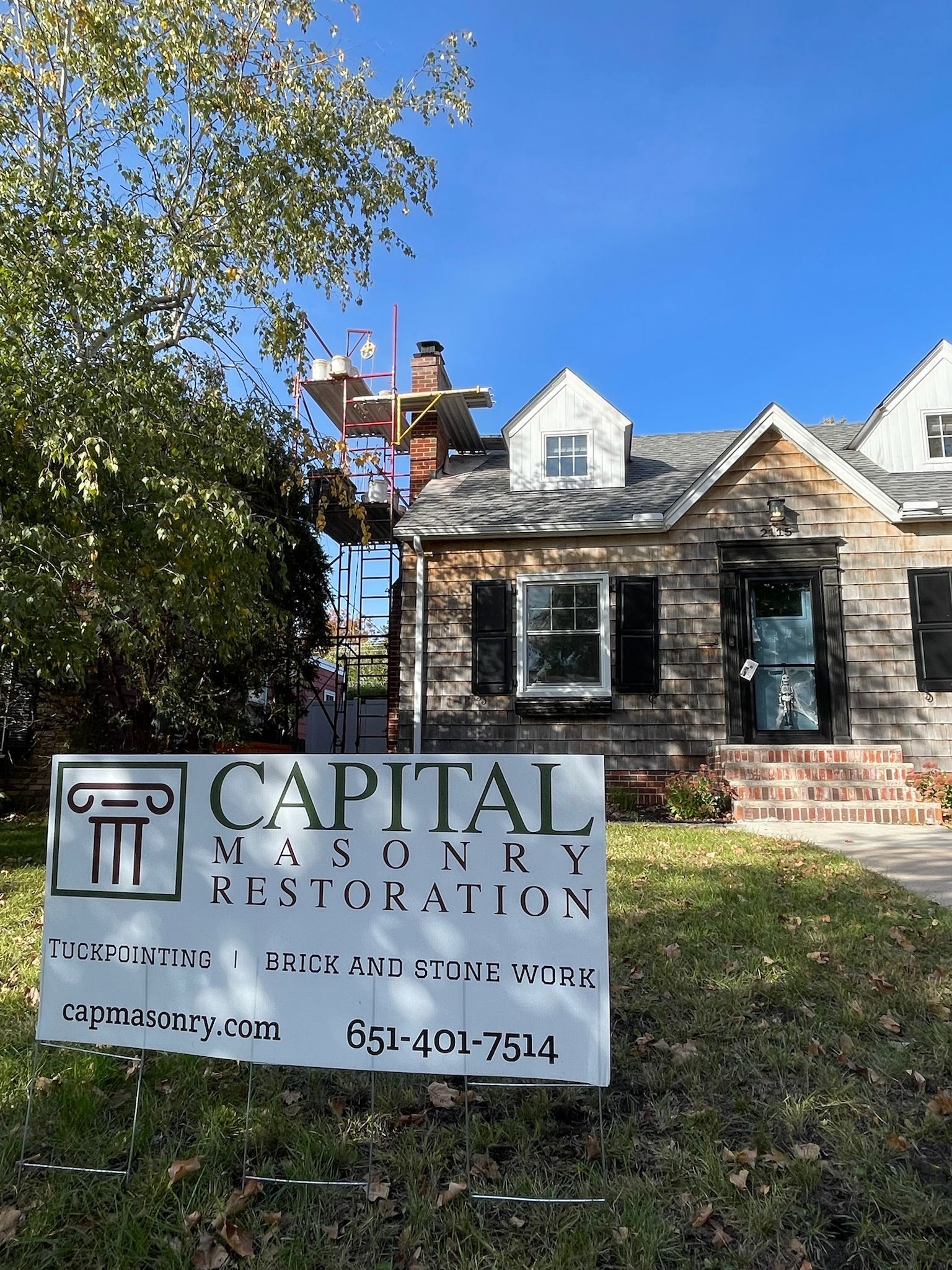
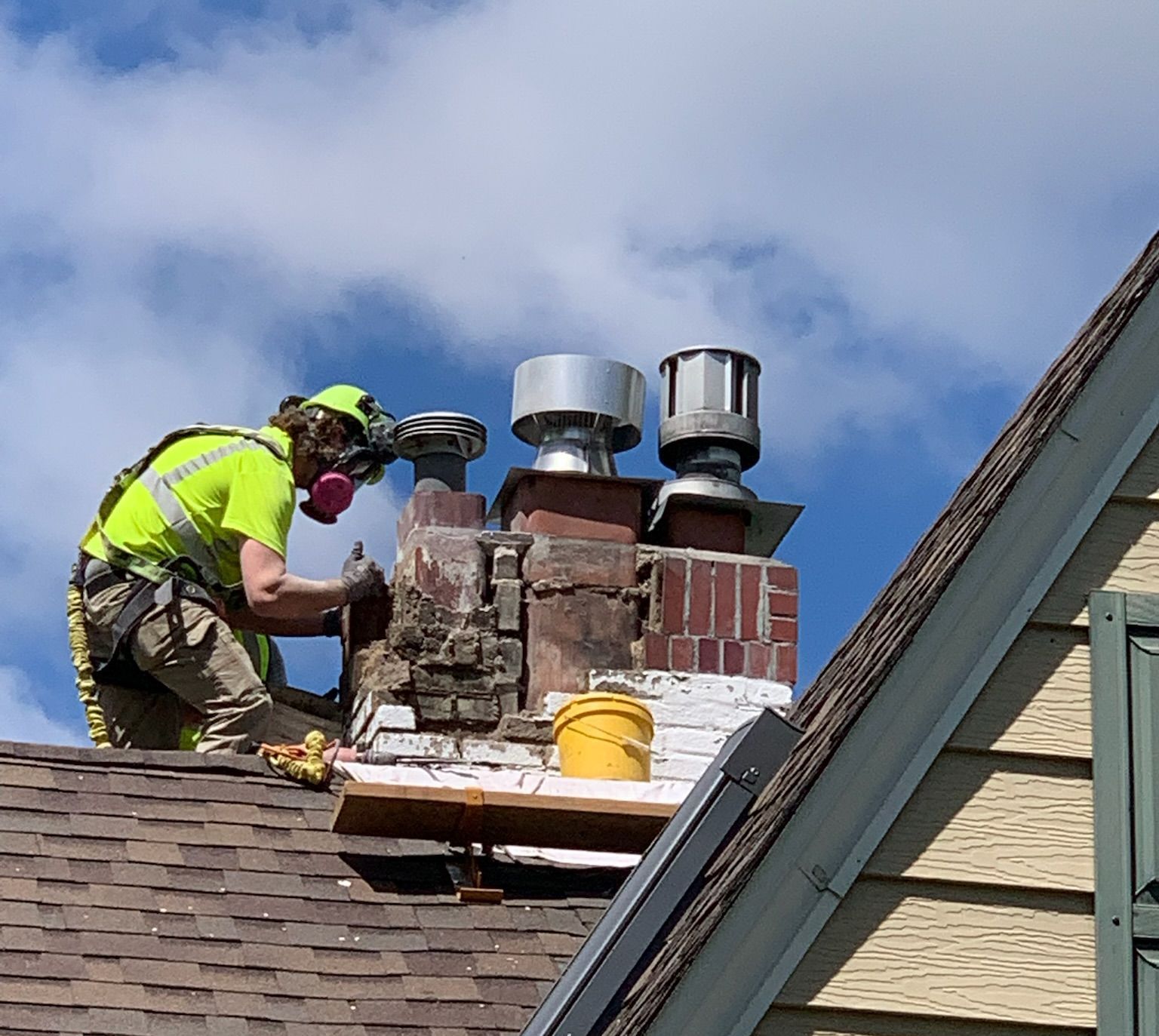
m any homeowners and property managers across St. Paul and the greater Twin Cities start planning exterior repairs and upgrades. From tuckpointing aging brick to restoring chimneys and stone façades, masonry projects are one of the most impactful investments you can make in your property. Choosing the right masonry contractor ensures your project is built to last, performs in Minnesota’s climate, and protects your home or building for years to come. Whether you’re planning proactive maintenance or addressing visible damage, here are a few key factors that can help guide your decision. Work With a Local Contractor Who Understands Minnesota’s Climate Masonry in Minnesota faces unique challenges. Freeze-thaw cycles, snow, moisture intrusion, and temperature swings put significant stress on brick, mortar, stone, and concrete. Hiring a local masonry contractor who works year-round in the Twin Cities ensures your repairs are designed specifically for our climate. An experienced local contractor understands: How winter expansion and spring thaw affect mortar joints Which materials perform best in cold-weather environments Proper seasonal timing for tuckpointing and restoration Local permitting and building requirements This local knowledge leads to longer-lasting repairs and better overall performance. Choose a Contractor With Proven Experience and a Strong Reputation Reputable masonry contractors build their reputation on consistent craftsmanship and long-term client relationships. When researching masonry companies in St. Paul and Minneapolis, it’s helpful to look for: A history of residential and commercial masonry projects Before-and-after project examples A strong reputation within the community Positive homeowner and property manager feedback Established contractors take pride in their work and value long-term relationships over one-time projects. Make Sure They Offer the Services Your Property Needs Every masonry project is different, and choosing a contractor that offers comprehensive services allows for better long-term planning and consistency. Common Twin Cities masonry services include: Tuckpointing and mortar repair Chimney repair and rebuilding Brick and stone restoration Foundation repair Flashing and waterproofing Structural masonry repair Working with one trusted contractor for multiple masonry needs often results in smoother scheduling, clearer communication, and consistent craftsmanship. Expect a Clear and Professional Inspection Process A successful masonry project starts with a proper inspection. A professional contractor should evaluate: The condition of brick, stone, and mortar Signs of moisture damage Chimney structure and safety Areas of movement or cracking They should also explain what they see, why repairs are being recommended, and how those solutions support the long-term health of your structure. Education and transparency help property owners make confident decisions. Look for Clear, Written Estimates and Timelines Professional masonry contractors provide written estimates that clearly outline: The full scope of work Materials being used Expected project timeline Site protection and cleanup Total investment and payment structure Clear estimates help both the homeowner and contractor stay aligned throughout the project. Value Craftsmanship and Long-Term Performance Masonry is a skilled trade that requires experience, precision, and quality materials. While pricing is always a consideration, long-term performance matters most. Quality masonry repairs improve: Structural integrity Moisture protection Energy efficiency Property value Future maintenance costs Well-executed masonry work protects your investment for decades to come. Strong Communication Makes a Big Difference From the first phone call through project completion, communication plays an important role in the overall experience. The best masonry contractors in the Twin Cities are known for: Being responsive and professional Clearly explaining schedules and timelines Providing proactive project updates Being accessible for questions Consistent communication helps ensure a smooth, stress-free project from start to finish. Why Early-Year Planning Matters for Masonry Projects Winter often reveals hidden masonry issues—cracked mortar, interior leaks, chimney deterioration, and foundation movement can become more noticeable during cold months. Planning early in the year allows you to: Secure preferred spring and summer scheduling Avoid emergency masonry repairs Ensure proper material availability Address issues before they worsen Proactive masonry maintenance often saves money and prevents more extensive structural damage down the road. Why Homeowners Across the Twin Cities Trust Capital Masonry Restoration At Capital Masonry Restoration, we proudly serve homeowners and commercial property owners throughout St. Paul, Minneapolis, and the surrounding metro area. Our focus is on durable, high-quality masonry solutions built for Minnesota weather. Our team specializes in: Brick and stone restoration Chimney repair and rebuilding Tuckpointing and mortar repair Structural masonry solutions Preventive masonry maintenance We combine expert craftsmanship, honest evaluations, and clear communication to help our clients protect and enhance their properties with confidence. Start the New Year With Stronger Masonry Whether your property requires routine tuckpointing, chimney restoration, or full masonry repair, choosing the right contractor sets the foundation for everything that follows. When experience, communication, and craftsmanship come together, the result is masonry that performs beautifully for years to come. If you’re planning masonry repairs in St. Paul or the Twin Cities this year, now is the ideal time to schedule a professional inspection and start your project with confidence.