Masonry Red Flags: What to Watch For Around Your Home
Your home’s brick or stone exterior may seem solid, but even the most durable masonry can deteriorate over time—
1. Cracked or Missing Mortar
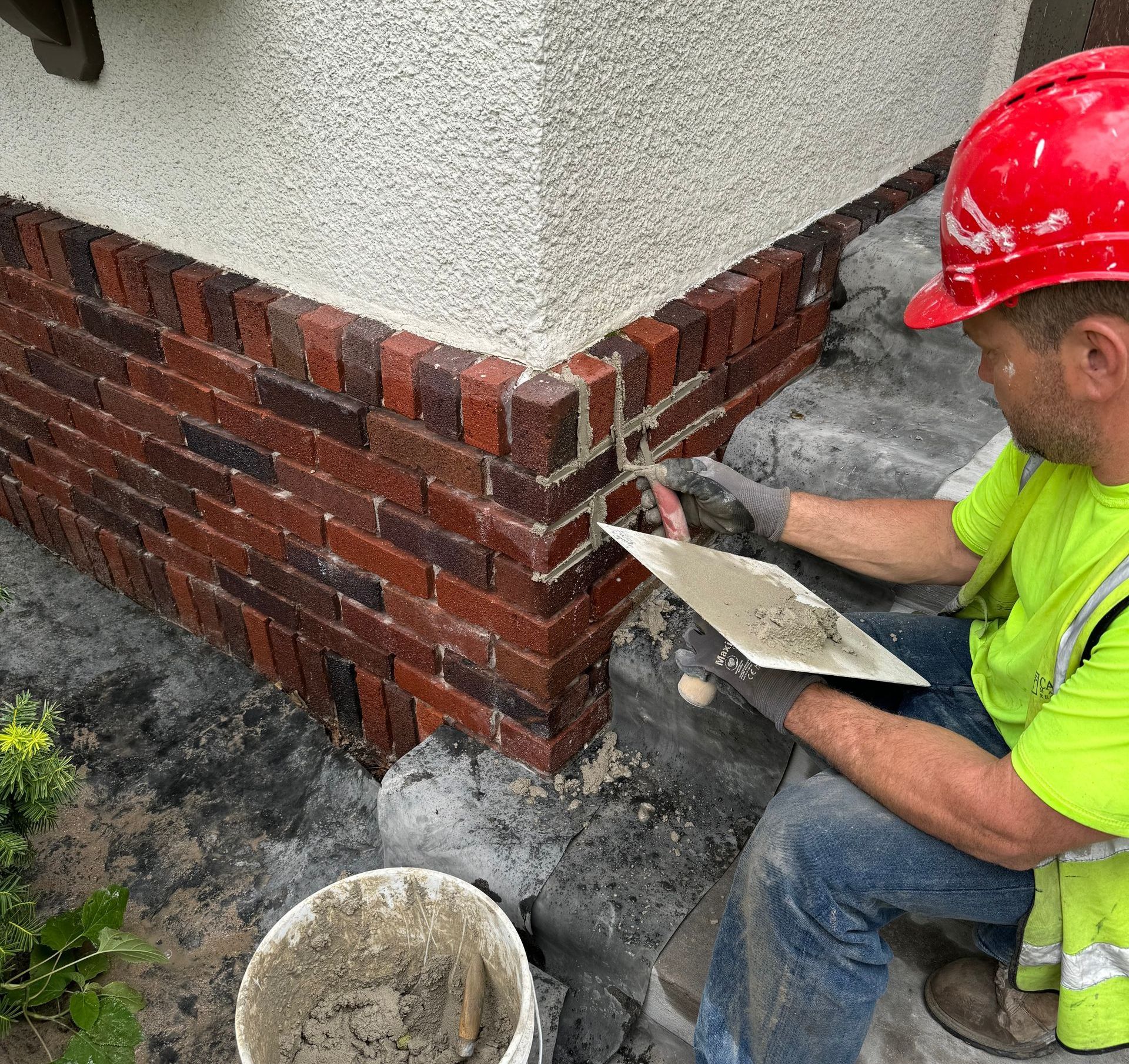
Mortar joints are critical to the structural integrity of any masonry wall. When mortar begins to crack, crumble, or fall out entirely, water can seep in and cause long-term damage. If you're noticing gaps, deterioration, or recessed joints, your home may need tuckpointing.
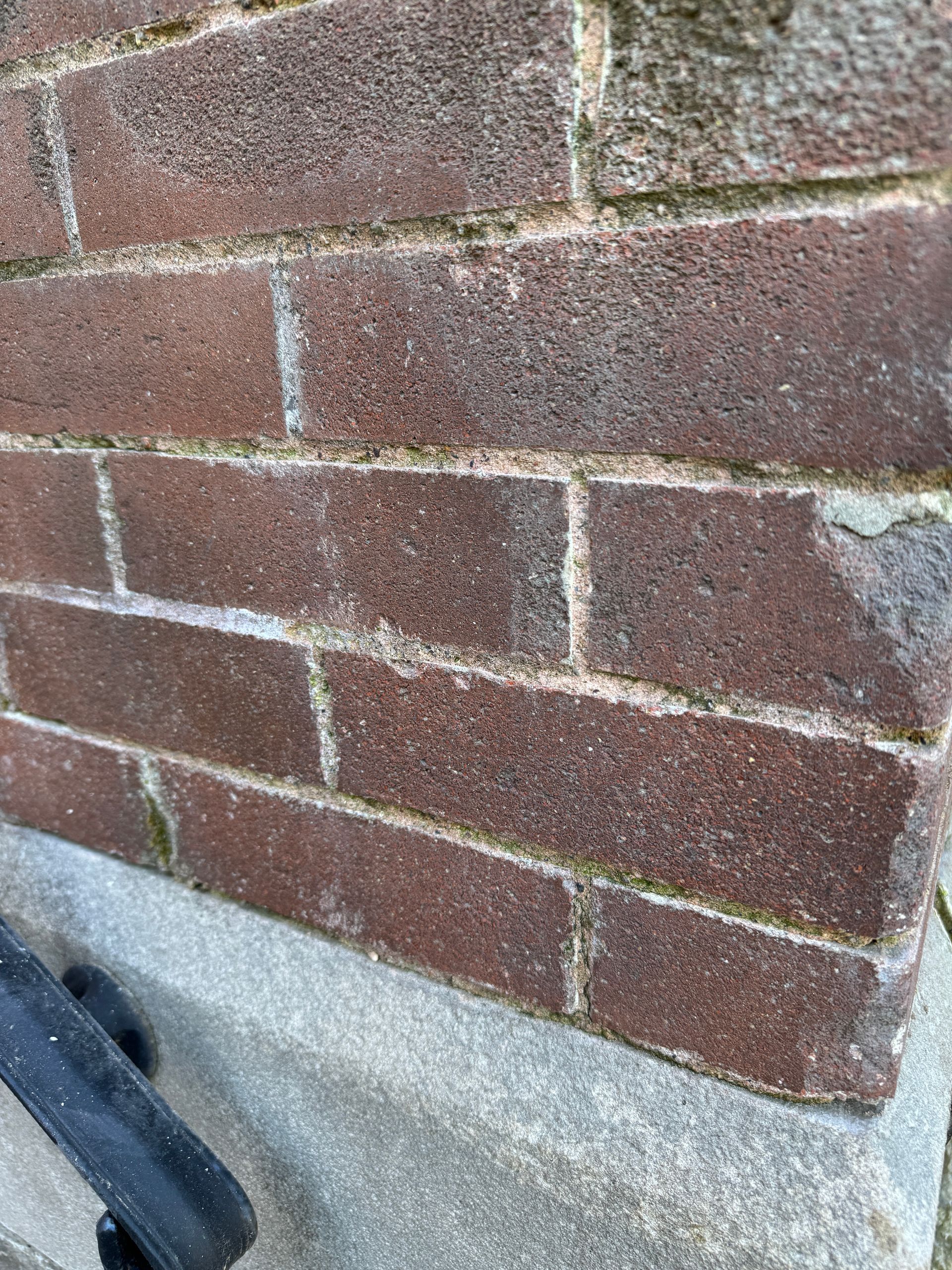
2. Spalling (Flaking or Chipped Brick)
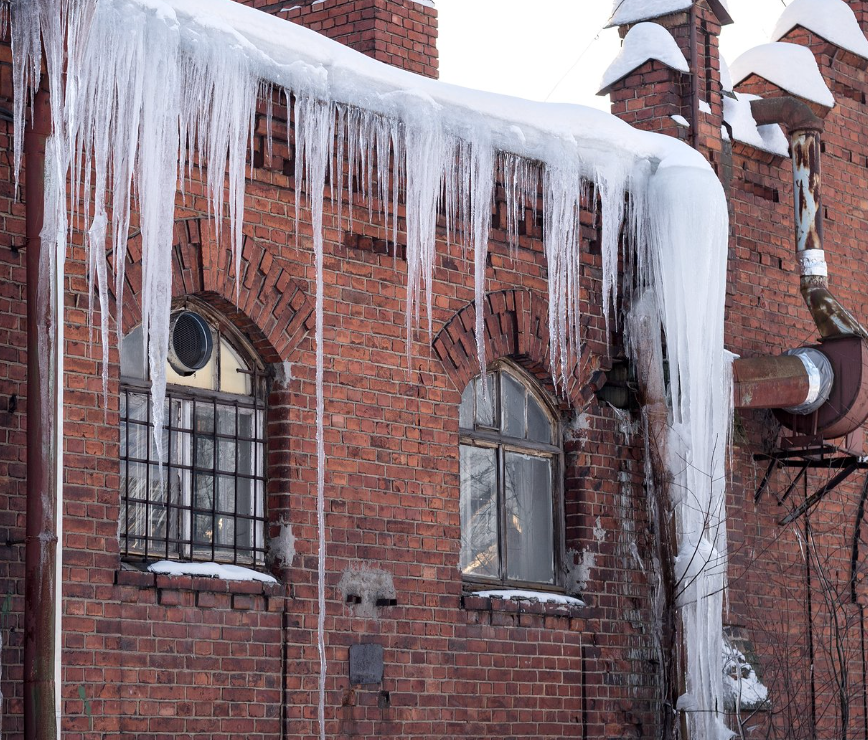
Spalling occurs when water enters the brick, freezes, and causes the surface to break apart. You'll often notice flaking, chipping, or even full brick faces falling off—especially near chimneys, steps, or foundation lines.
Suggested Photo: Example of brick spalling at the base of an exterior wall or on a chimney.
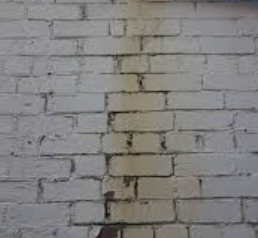
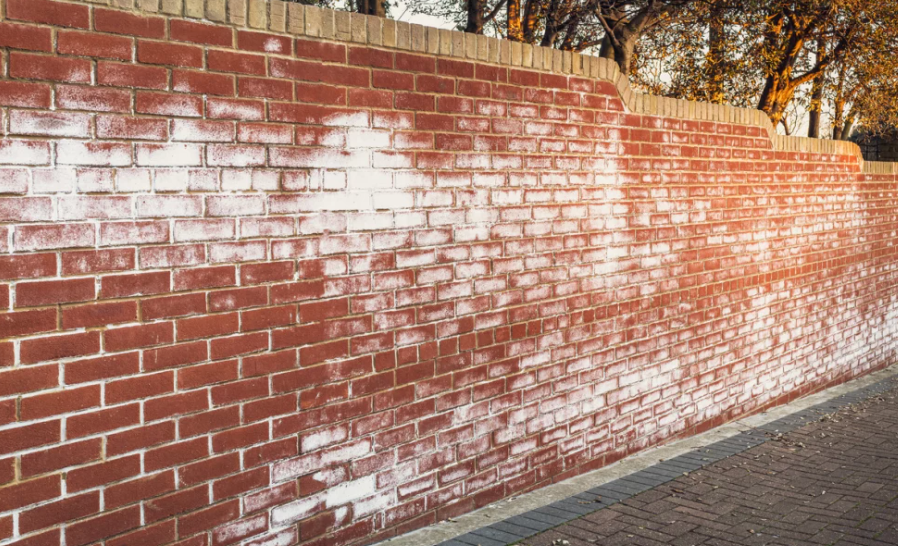
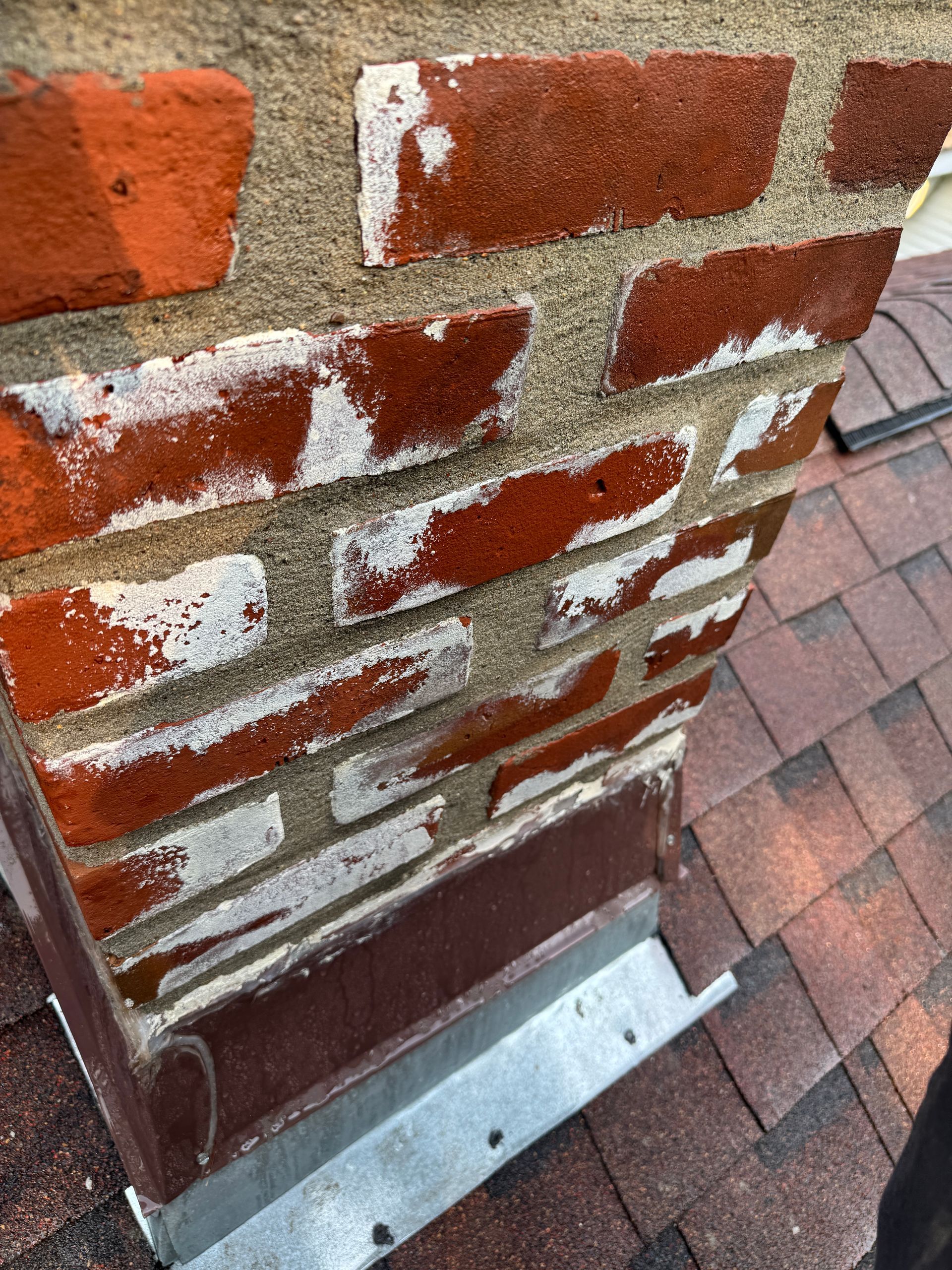
3. Efflorescence (White Staining on Brick)
Efflorescence is a white, powdery residue left behind from water soluble salts when water passes through brick or mortar, bringing these salts to the surface. While often harmless, it indicates moisture movement that should be addressed, especially if it appears repeatedly.
4. Bowing or Bulging Walls
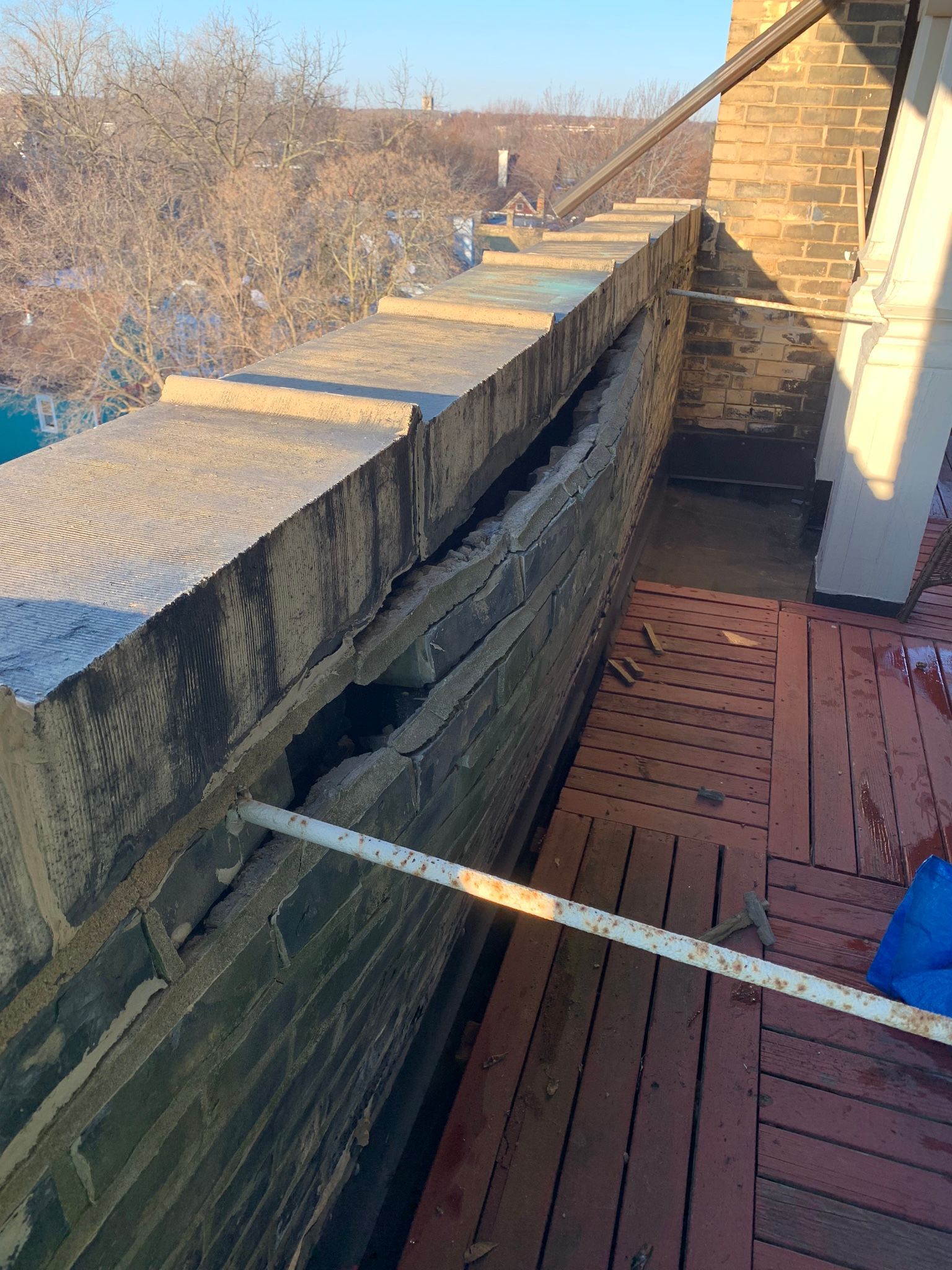
If a brick wall appears to be curving outward or has uneven surfaces, it could indicate that water has gotten behind the masonry or that wall ties have failed. This condition can lead to serious structural concerns and should be inspected immediately.
Suggested Photo: Photo of a visibly bulging or bowed masonry wall (preferably mid-repair).
5. Cracked Bricks or Stone
Cracks that run through individual bricks—or worse, across multiple units—are often signs of structural movement or foundation issues. Even hairline cracks can worsen over time as moisture enters and freezes within. It’s important to repair cracked brick to prevent further damage to other building elements like studs, sheathing, sheetrock, and windows.
Suggested Photo: Zoomed-in image of cracked brick or stone, ideally with a measuring scale for reference.
6. Gaps Around Windows and Doors
Cracks or separation between masonry and window or door frames may signal that the structure is shifting or that lintels (the support beams above openings) are beginning to rust or fail. These issues often progress slowly but can result in serious damage if left unchecked.
Suggested Photo: Masonry around a window or door frame showing cracking or separation.
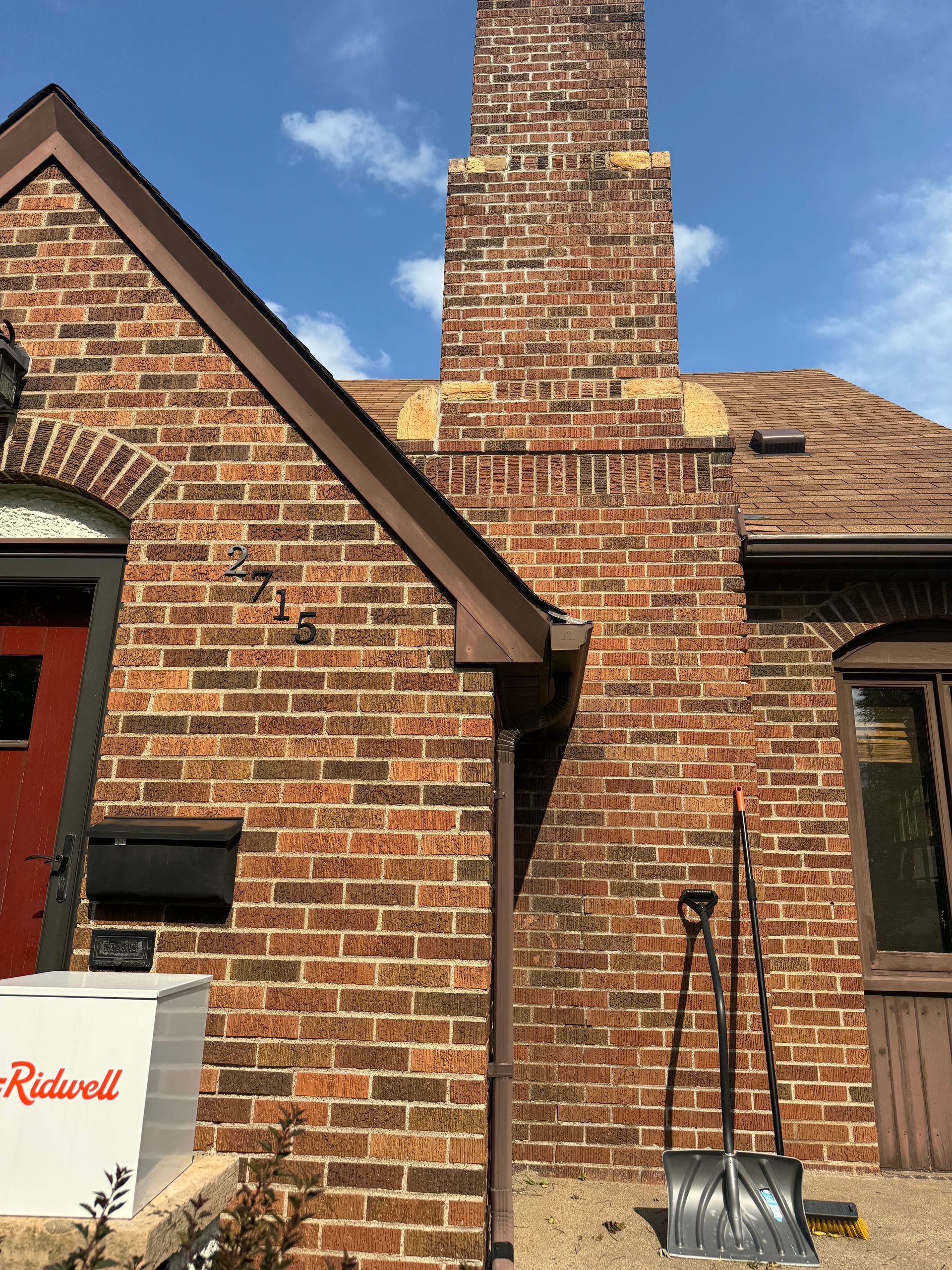
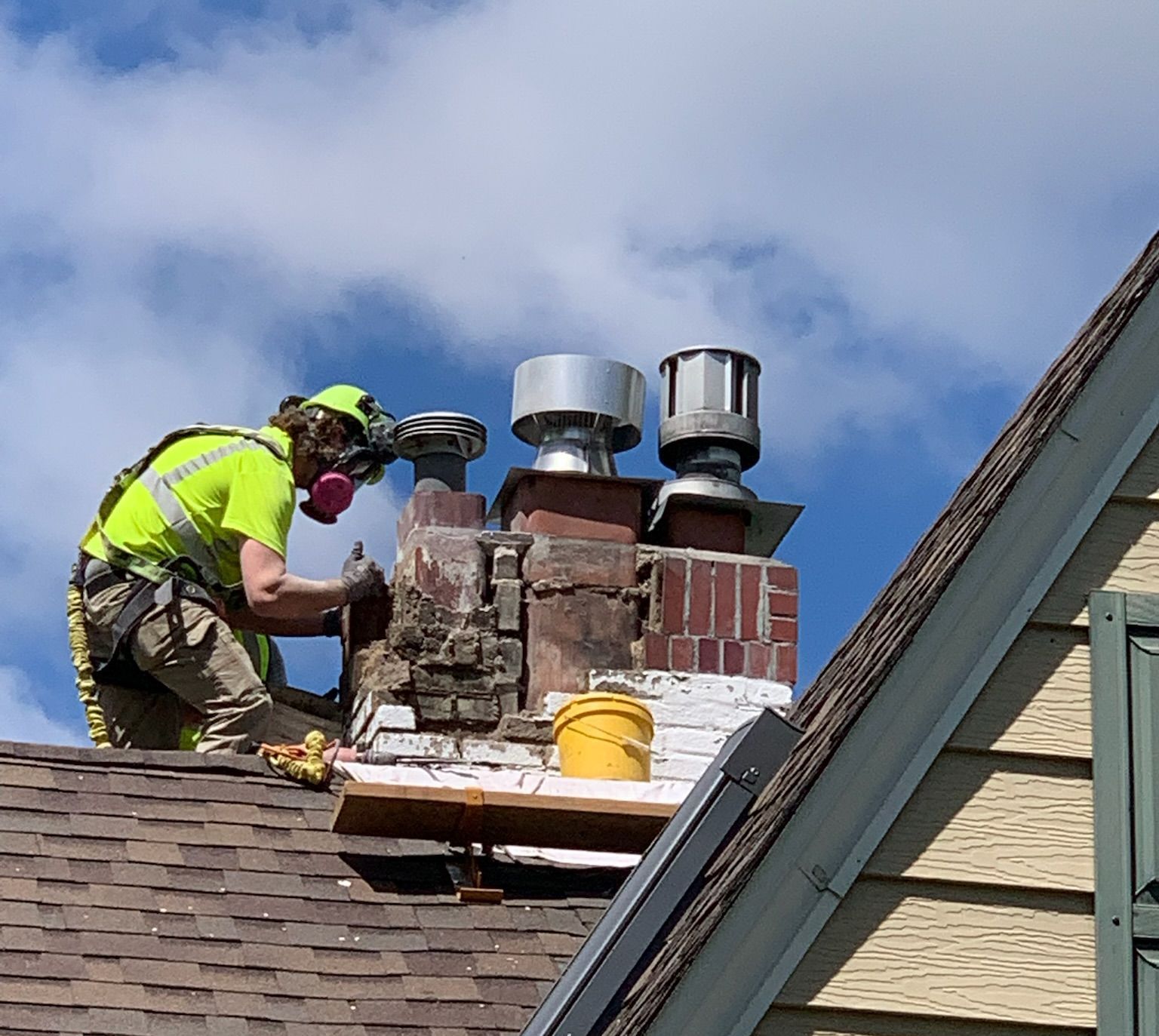
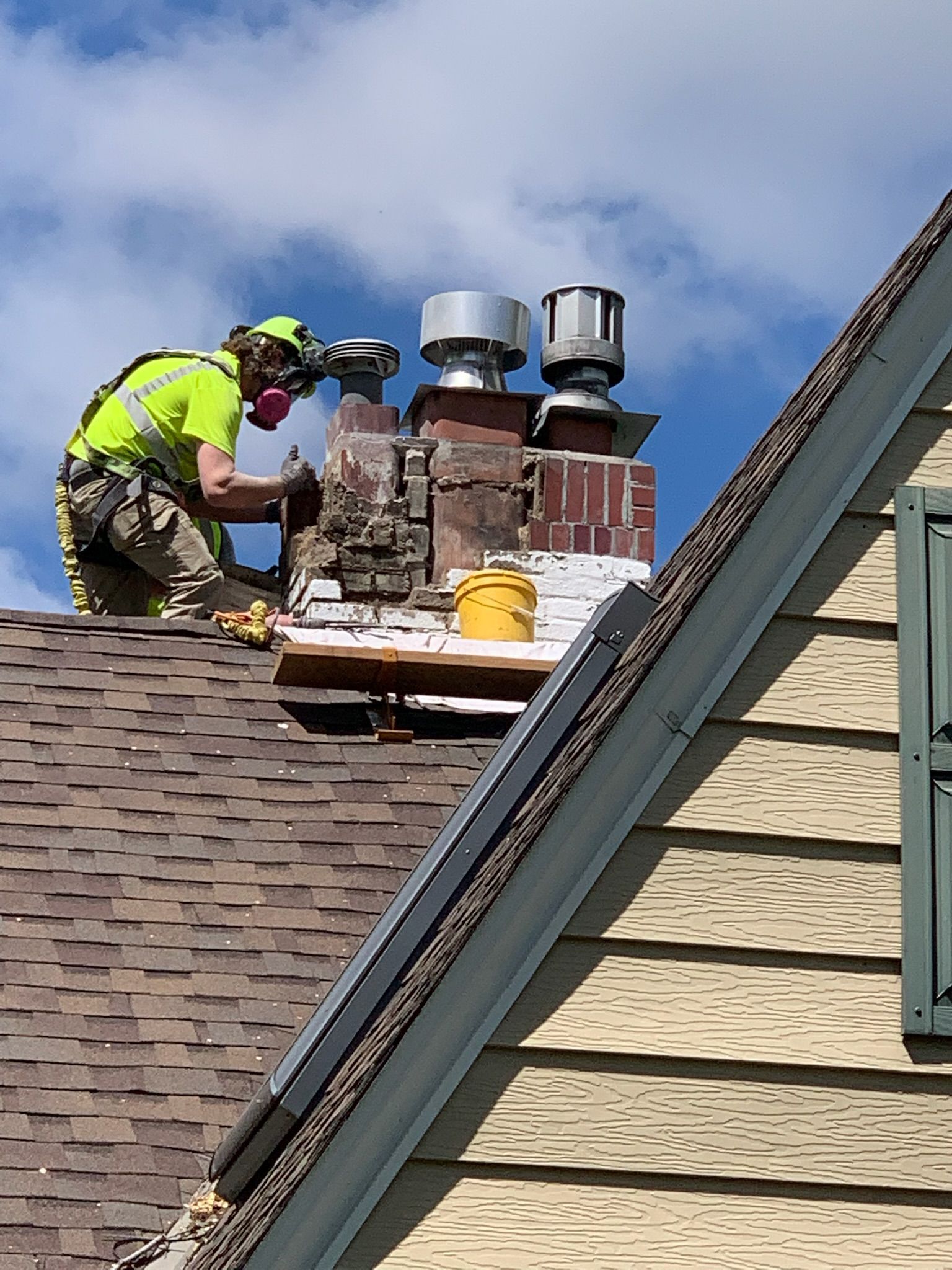
7. Leaning or Separating Chimneys
A chimney that’s pulling away from the house or showing signs of cracking near the top can be a major safety concern. Leaning chimneys often indicate foundation movement or long-term neglect of mortar and brick maintenance.
Nature's Symphony
Faces of Humanity
Sands of Time
What To Do If You Notice a Problem
Most masonry issues worsen over time, especially in Minnesota’s climate. The earlier they're addressed, the easier—and more affordable—they are to repair. At Capital Masonry Restoration, we offer free assessments to help you understand what’s going on and what your options are.
Request a Free Estimate
If you've spotted one or more of these red flags, we encourage you to reach out. Our experienced team serves homeowners across the Twin Cities and specializes in masonry repairs that are built to last. Request a quote today!