The Most Common Masonry Mistakes We See During Home Renovations
Home renovations can completely transform a house -
But when it comes to brick and stone, even well-intentioned projects can cause long-term damage. Masonry is durable and beautiful, yet it requires specialized knowledge to maintain its strength and character. At Capital Masonry Restoration, we often see the same few mistake s pop up during home remodels that could have been avoided with a quick consultation before work began.
Here are the top issues we encounter (and how to avoid them).
1. Painting Over Brick or Stone Without Proper Prep or Materials
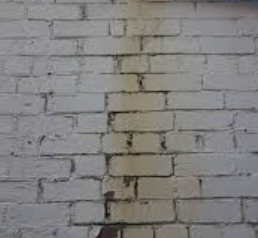
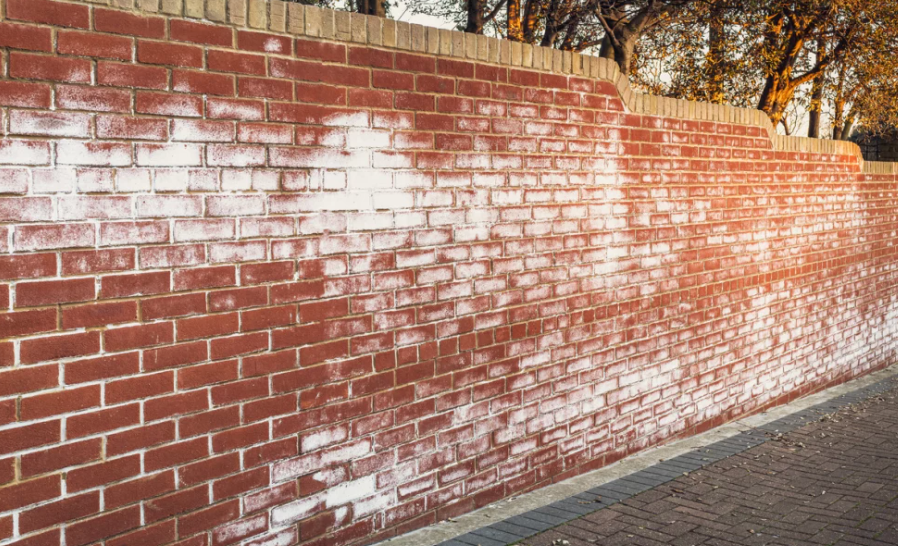
Painted brick can look sharp and modern, but improper prep is one of the biggest ways homeowners unintentionally trap moisture. Masonry is porous — it needs to breathe. When you seal or paint it without using the right breathable materials, water vapor gets trapped inside, leading to flaking paint, spalling brick, and efflorescence (that white, powdery residue).
If you want a clean, uniform look, it’s critical to use mineral-based masonry paint or limewash designed for brick and stone, not standard house paint. Always start with a clean, dry surface and consider consulting a professional before coating historic brick.
2. Using the Wrong Mortar Mix
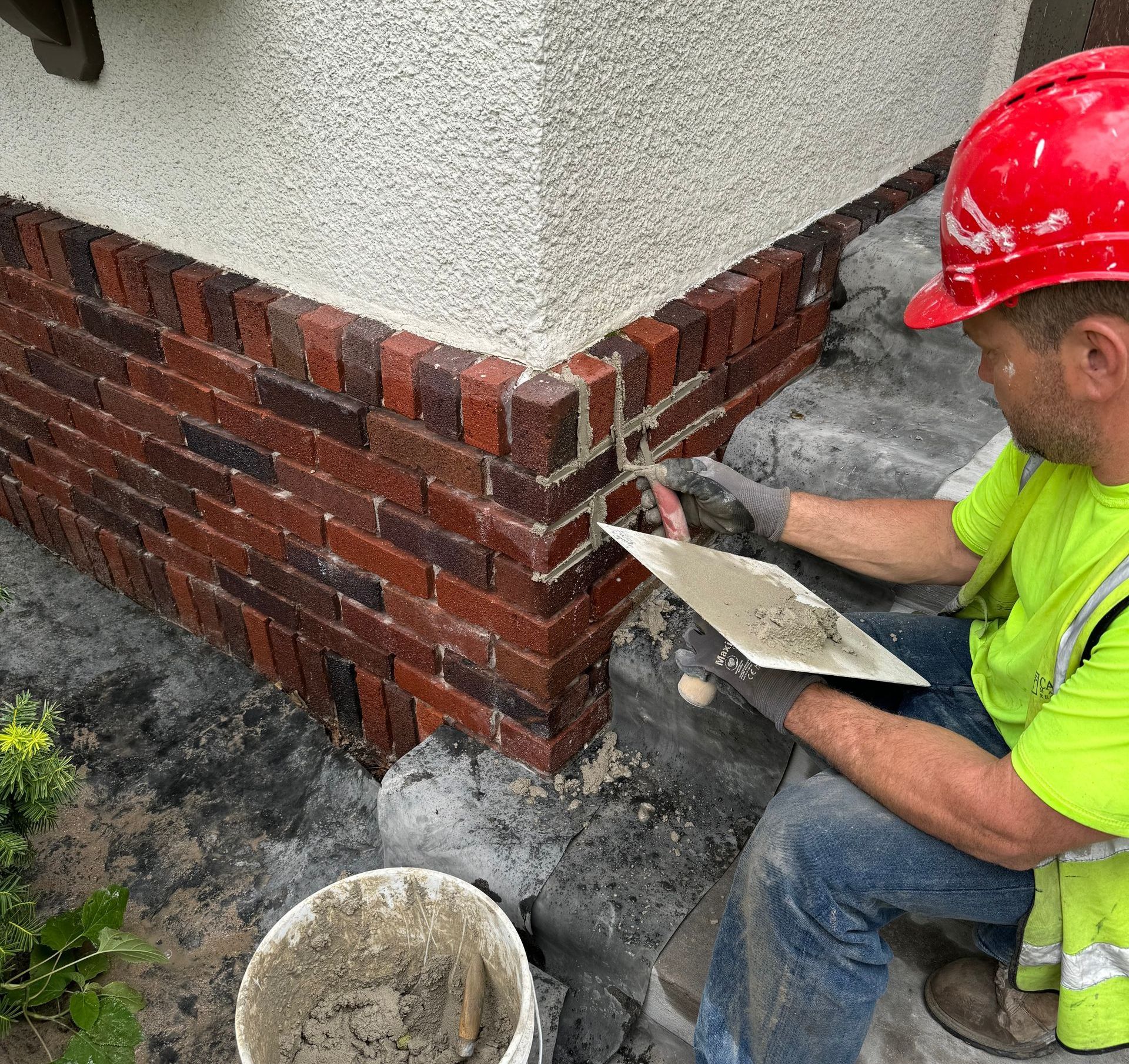
Mortar is more than “glue” — it’s the cushion that allows masonry to expand and contract with temperature and moisture changes. Using the wrong mix can cause bricks to crack or crumble.
Modern cement-heavy mortars are harder than traditional lime-based versions used in older homes around St. Paul and Minneapolis. When you patch historic masonry with a newer mix, the mortar becomes less flexible than the original brick — causing the bricks themselves to deteriorate first. Type N mortar is a softer mortar used for tuckpointing on most homes or buildings, as opposed to Type S mortar which is harder and used typically for block and structural applications.
A professional mason can test and match the composition of existing mortar, ensuring that repairs preserve the structure instead of damaging it.
3. Covering Masonry That Needs to Breathe
Another common renovation mistake is covering masonry with impermeable materials such as dense stucco, siding, or faux stone panels. These block the brick’s ability to wick out moisture.
Once sealed in, trapped moisture seeks the path of least resistance — often through joints or the interior of the home. The result? Efflorescence, mold, and internal wall damage. When done correctly, breathable coatings and compatible mortar allow your masonry to naturally manage moisture while maintaining energy efficiency and durability.
4. Ignoring Chimneys and Foundations During Remodels
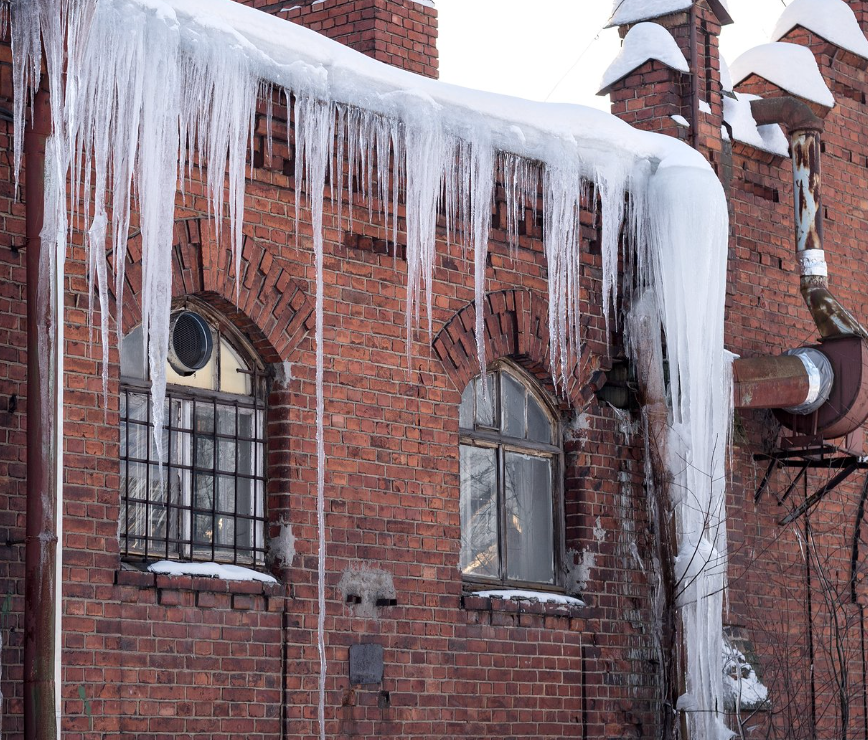
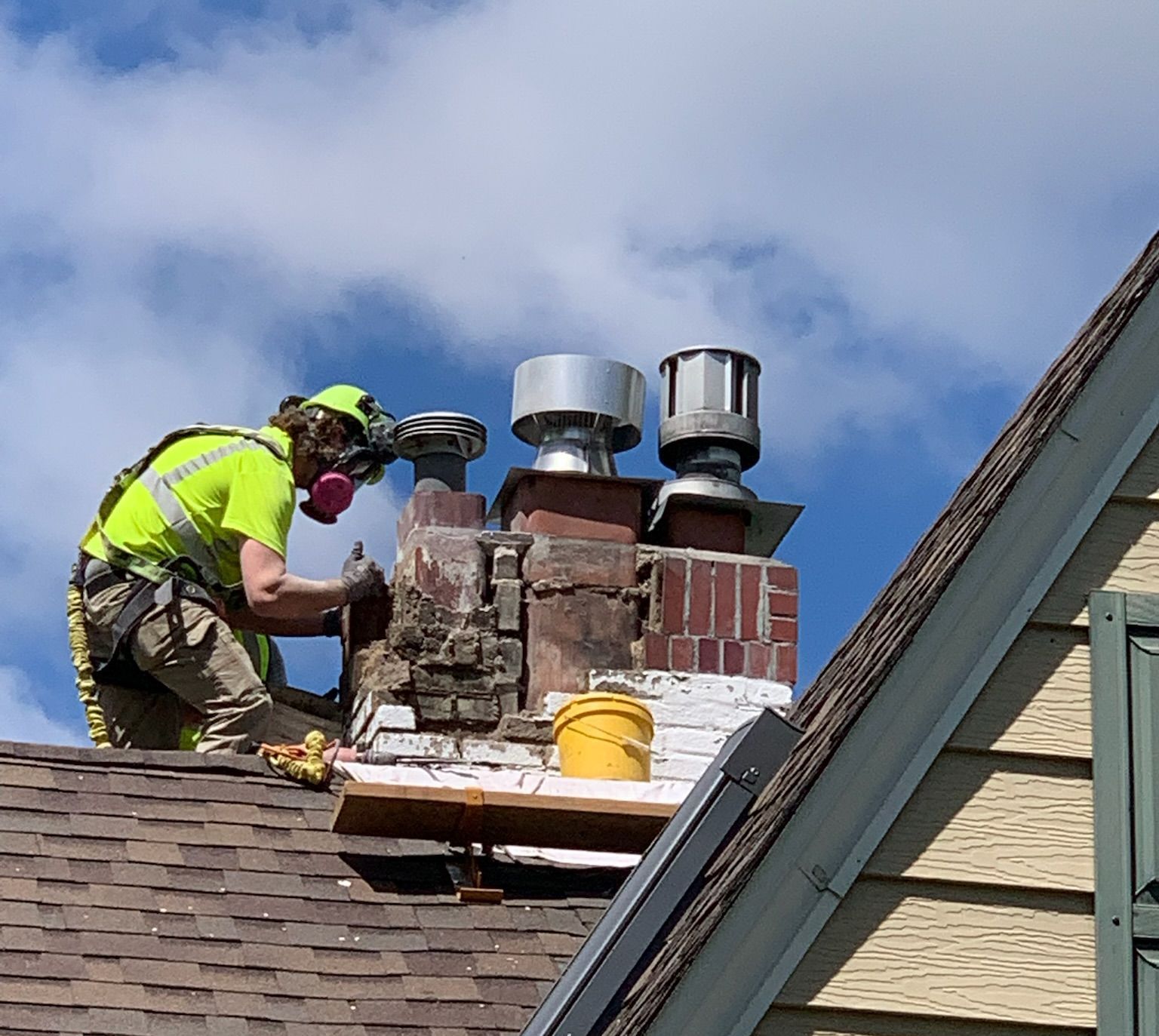
During a renovation, most of the attention goes to visible areas — kitchens, exteriors, patios — but chimneys and foundation walls are just as crucial. These vertical structures experience the most exposure to water and temperature swings.
Cracked mortar, missing chimney caps, or deteriorating parging can allow moisture inside and compromise the stability of the entire wall. Inspecting and repairing these areas during a remodel saves costly work later — and protects your new finishes from water damage.
5. Skipping a Masonry Inspection Before the Project Begins
Even if your renovation doesn’t directly touch a brick wall, vibration from demolition or new construction can cause older mortar to crack. A pre-renovation masonry inspection helps spot weak points before they become problems.
A quick tuckpointing touch-up or waterproofing treatment before construction can extend the life of your masonry by decades — and safeguard your new investment.
Protecting Your Investment
Masonry gives Minnesota homes their warmth, texture, and history. The best way to preserve that value is to bring a mason into the process early. A short consultation can prevent hidden moisture issues, color mismatches, or structural cracks that show up months after the remodel is done.
If you’re planning a renovation in the Twin Cities, contact Capital Masonry Restoration for a quick inspection before work begins — your future self (and your brick) will thank you.